

As state agencies continue to navigate the complexities of digital transformation, Tyler ERP systems face mounting pressure to evolve beyond their original design. Built for a different era of public sector operations, these enterprise resource planning platforms now contend with cloud-native competitors, heightened security requirements, and constituent expectations for seamless digital services. The question facing government technology leaders is no longer whether to modernize, but how to execute that transformation without disrupting critical operations.
Tyler's Enterprise ERP manages core functions including financials, procurement, human resources, payroll, and revenues across hundreds of state and local agencies. However, many organizations operate versions that predate current cloud infrastructure capabilities, mobile accessibility standards, and modern cybersecurity frameworks. This creates a pressing need for feasibility assessment, strategic upgrades, or complete migration planning: decisions that carry significant implications for operational continuity, budget allocation, and long-term IT strategy.
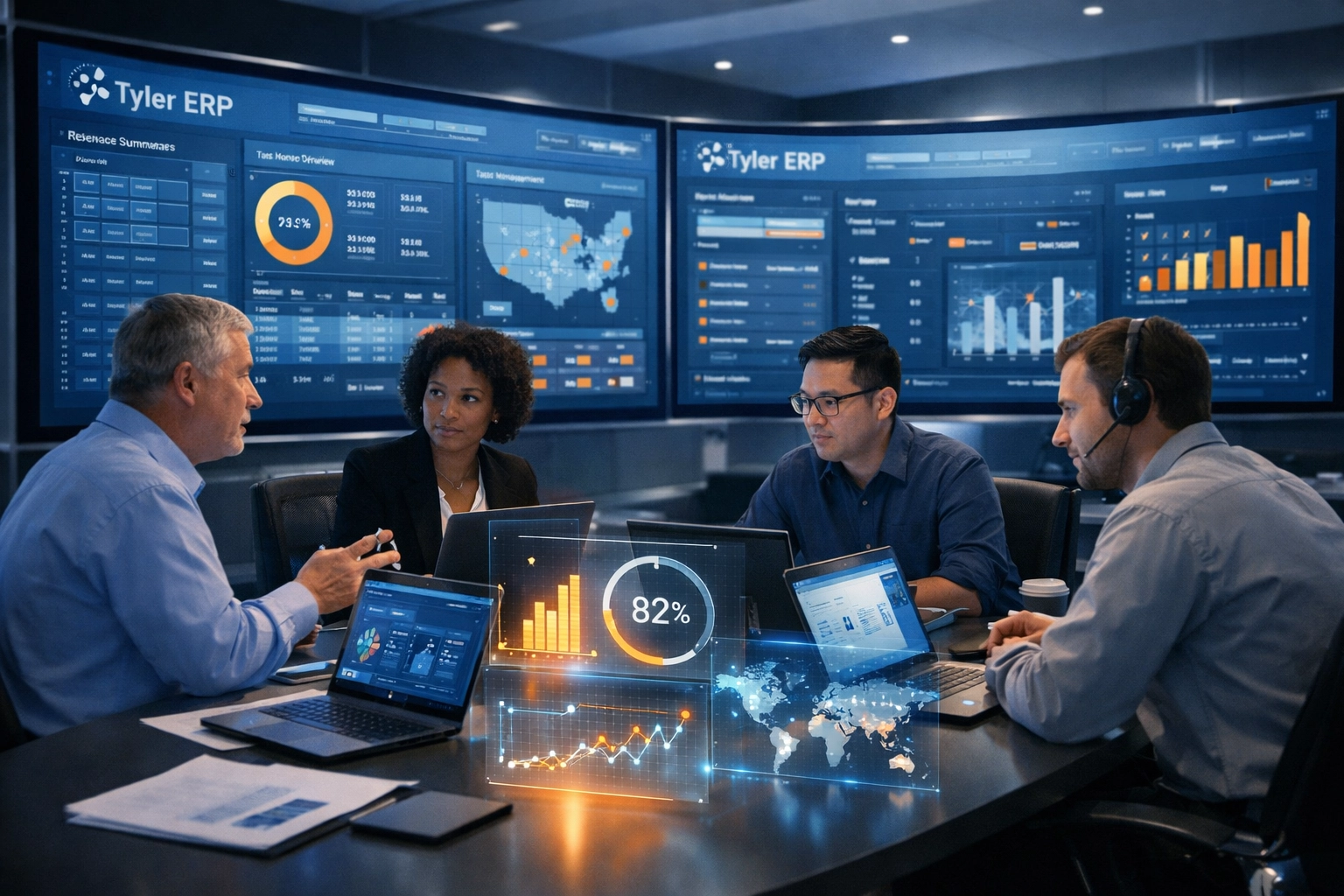
The Fundamental Challenge: Legacy Tyler ERP Systems in Modern Government Operations
State agencies operating legacy Tyler ERP configurations face several compounding challenges that extend beyond simple software aging. Outdated systems create data silos between departments, limiting the comprehensive visibility necessary for informed decision-making. Finance teams struggle to generate real-time reports, HR departments manually reconcile payroll discrepancies, and procurement processes remain paper-intensive despite digital transformation initiatives across other operational areas.
The infrastructure burden represents another critical consideration. On-premises Tyler ERP deployments require substantial IT resources for maintenance, security patches, and system administration. As experienced government IT professionals retire, agencies discover that specialized knowledge of these legacy platforms becomes increasingly scarce and expensive. This creates operational risk when system issues arise, as troubleshooting and resolution timelines extend beyond acceptable service levels.
Security vulnerabilities pose the most significant concern for aging ERP implementations. Legacy systems often lack the granular access controls, encryption standards, and audit capabilities required under modern compliance frameworks. As cyber threats targeting government entities grow more sophisticated, agencies operating outdated Tyler ERP versions find themselves exposed to data breaches, ransomware attacks, and compliance violations that could compromise constituent information and erode public trust.
However, these challenges intersect with budget constraints and political realities unique to public sector environments. Multi-year appropriation cycles, competing funding priorities, and stakeholder consensus requirements make large-scale ERP modernization initiatives politically complex. Technology leaders must therefore approach feasibility assessment with comprehensive documentation that quantifies both current pain points and projected return on investment across operational efficiency, security improvements, and long-term cost savings.
Feasibility Assessment: Is Your Agency Ready for Modernization?
Successful Tyler ERP modernization begins with rigorous feasibility analysis that examines organizational readiness across multiple dimensions. Data quality assessment forms the foundation of this evaluation. Agencies must audit existing data for accuracy, completeness, and consistency before migration planning begins. Incomplete vendor records, duplicate employee entries, and inconsistent budget coding structures will migrate into new systems, creating amplified problems that undermine modernization benefits.
Stakeholder engagement represents another critical feasibility factor. Collaborating with department heads across finance, HR, procurement, and revenue management uncovers specific operational requirements that generic implementations fail to address. This collaborative discovery process identifies pain points in current workflows, documents manual workarounds users have developed, and surfaces integration requirements with specialized systems like tax collection platforms or pension management databases.
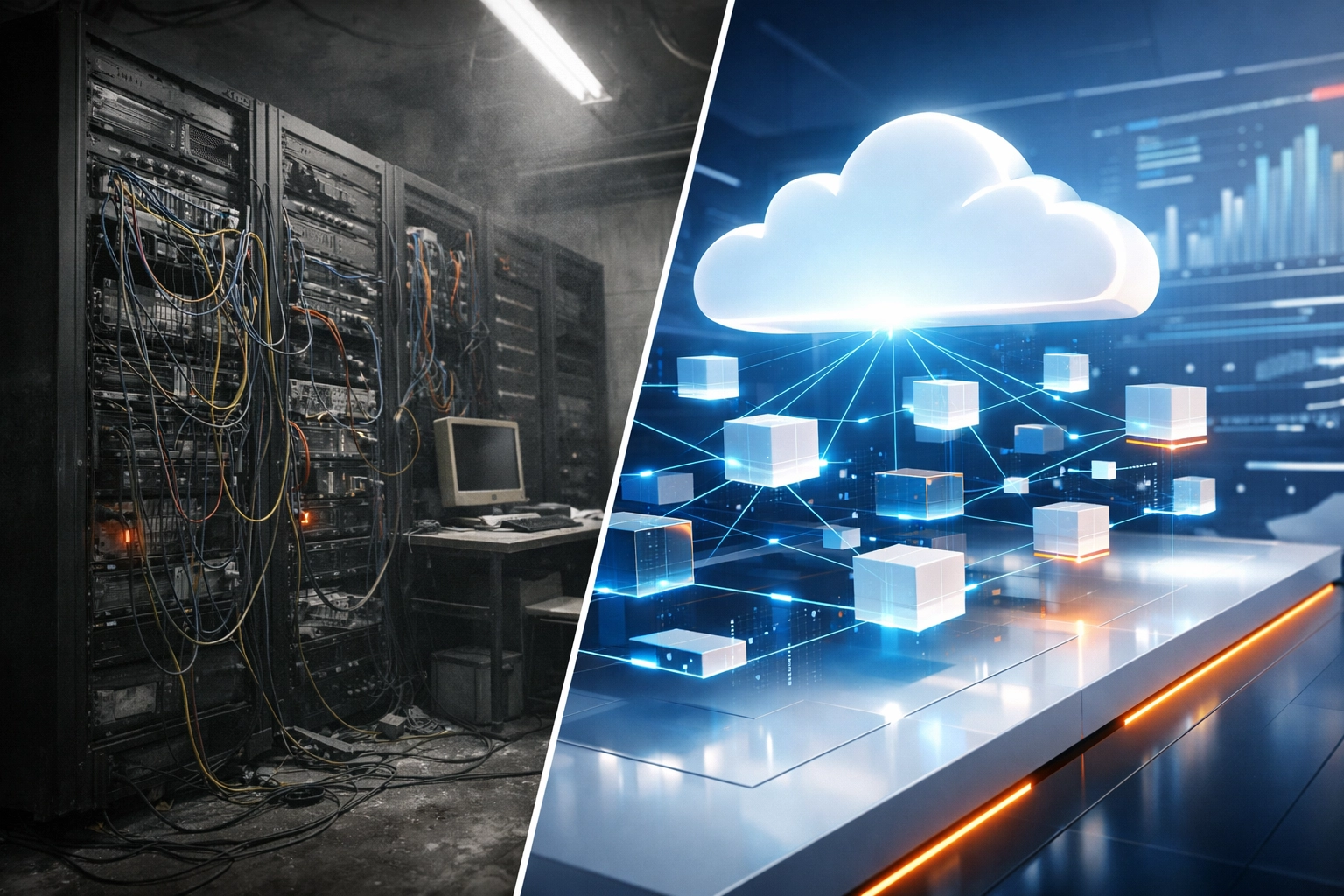
Infrastructure evaluation determines whether current technical capabilities support modernization initiatives or require preliminary upgrades. Network bandwidth, server capacity, storage systems, and disaster recovery capabilities must align with Tyler's cloud-based deployment models. For agencies considering on-premises upgrades rather than cloud migration, this assessment becomes even more critical as hardware refresh cycles must align with software modernization timelines.
User readiness often determines modernization success or failure more than technical factors. Agencies must evaluate current staff technical proficiency, identify training needs, and develop change management strategies that address resistance to new workflows. Government employees often have decades of institutional knowledge embedded in legacy system workarounds: transitioning to modern interfaces and processes requires comprehensive training programs, dedicated support resources during cutover periods, and executive sponsorship that reinforces adoption across organizational hierarchies.
Budget realism concludes feasibility assessment. Beyond software licensing and implementation costs, agencies must account for data migration expenses, custom integration development, training program delivery, temporary staffing during transition periods, and ongoing managed IT services for system optimization. These comprehensive cost projections enable accurate appropriation requests and prevent mid-project funding shortfalls that stall implementations.
Upgrade vs. Migration: Understanding Your Path Forward
State agencies face a fundamental decision between upgrading existing Tyler ERP implementations versus complete cloud migration. Each approach carries distinct advantages, risks, and resource requirements that align differently with organizational circumstances. Tyler Deploy now enables agencies to control quarterly update timing, scheduling upgrades during off-hours and weekends to minimize operational disruption. This phased upgrade approach allows organizations to adopt new features incrementally rather than through disruptive major release implementations.
In-place upgrades preserve existing customizations, user familiarity, and integration points with legacy systems. For agencies with limited budgets, extensive custom configurations, or risk-averse stakeholder environments, this evolutionary approach provides continuity while gradually introducing enhanced capabilities. The quarterly cadence cycle for Tyler ERP upgrades delivers regular security patches, performance improvements, and feature additions without requiring extensive planning cycles or major appropriation requests.
However, cloud migration services represent a transformational alternative that addresses fundamental infrastructure limitations. Moving Tyler ERP to cloud environments delivers scalability that accommodates fluctuating workloads during budget cycles, payroll processing periods, and tax collection seasons. Cloud deployments eliminate hardware maintenance burdens, provide automated disaster recovery capabilities, and enable mobile access that supports remote work policies increasingly common in government operations.
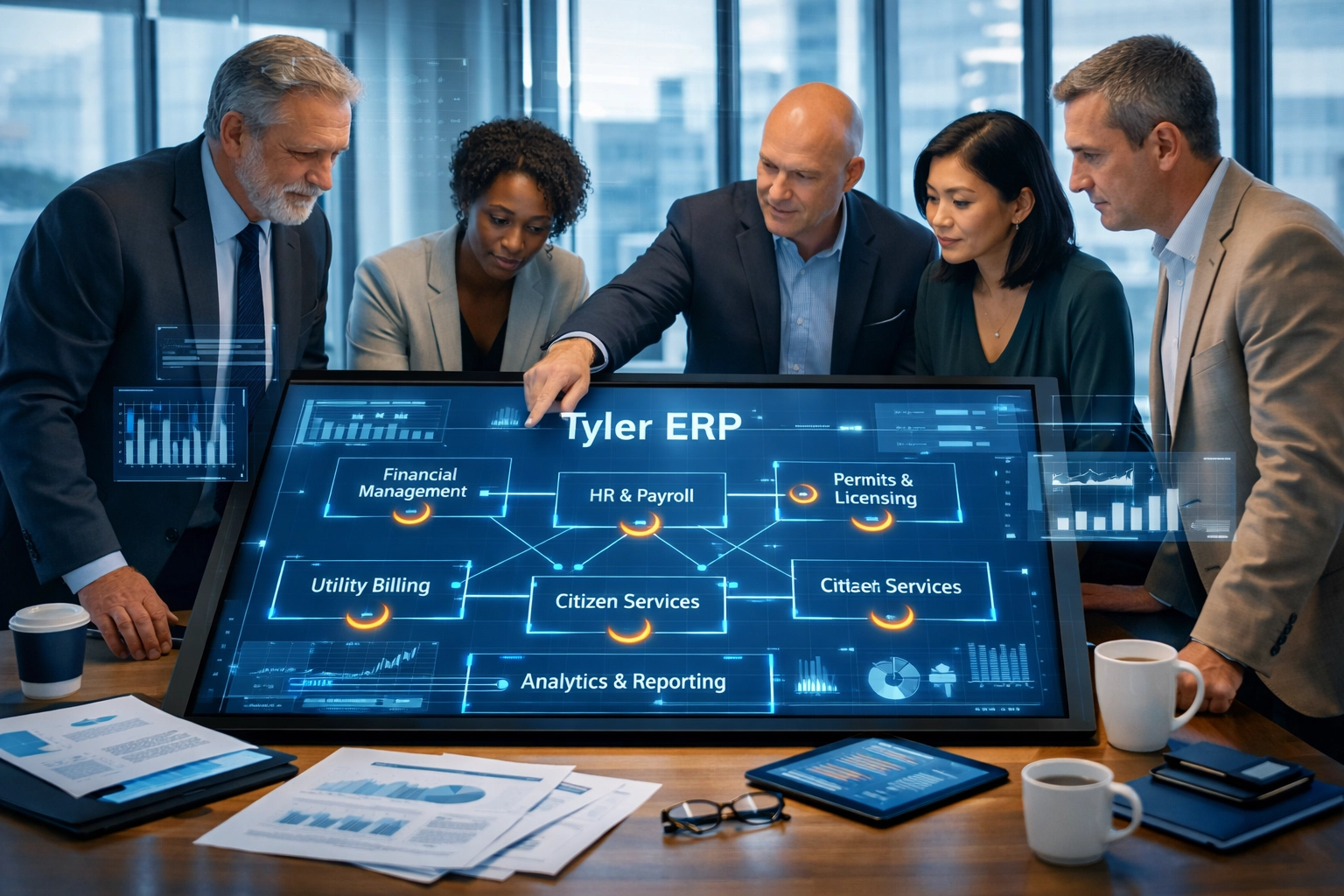
The migration decision often hinges on integration complexity. Agencies operating Tyler ERP alongside numerous specialized systems: case management platforms, permitting applications, asset management databases: must evaluate whether cloud migration simplifies or complicates these connections. Modern cloud-based Tyler implementations offer API-driven integration capabilities that can streamline data exchange, but legacy systems may require middleware development or custom connectors that increase migration complexity and cost.
Digital transformation strategy provides the deciding framework. Agencies committed to comprehensive modernization across all IT systems find cloud migration creates foundation for broader initiatives. Those focused on incremental improvement within constrained budgets may find phased upgrades more politically and financially feasible. Neither approach is universally superior: the optimal path depends on current technical debt, stakeholder priorities, budget realities, and long-term IT vision.
Real-World Implementation: Best Practices for State Agencies
Successful Tyler ERP modernization implementations share common characteristics that distinguish them from troubled projects. Phased rollouts minimize risk by implementing modules sequentially rather than attempting simultaneous deployment across all functional areas. Starting with financials or HR: modules with well-defined processes and limited external dependencies: allows agencies to develop implementation expertise, refine change management approaches, and demonstrate quick wins that build stakeholder confidence for subsequent phases.
Customization discipline prevents the configuration bloat that undermines system performance and complicates future upgrades. While Tyler ERP offers extensive customization capabilities, each modification creates technical debt that requires ongoing maintenance. Agencies should distinguish between necessary customizations that address genuine operational requirements versus attempts to replicate every legacy system workflow. Often, process reengineering that adopts Tyler's standard functionality delivers better long-term outcomes than extensive custom development.
Database optimization and performance tuning become crucial as agencies migrate years or decades of historical data into modernized systems. Regular system maintenance enhances query performance and data retrieval times, ensuring that improved software capabilities aren't undermined by database inefficiencies. Load balancing distributes system loads appropriately to prevent bottlenecks during peak usage periods like month-end closing or payroll processing.
Analytics and reporting integration maximizes modernization value by consolidating data across organizational silos. Tyler's Interactive Reporting solution enables agencies to generate comprehensive insights from centralized data repositories, supporting evidence-based policy decisions and improved constituent services. This analytical capability represents one of the most significant advantages of modern ERP platforms over legacy systems, transforming transaction processing tools into strategic decision support platforms.
Continuous improvement processes ensure that modernization delivers sustained value rather than creating a new static system. Regular performance reviews identify emerging operational needs, assess system utilization patterns, and prioritize enhancement requests. Performance monitoring instruments detect potential issues before they impact operations, enabling proactive intervention rather than reactive troubleshooting. This ongoing optimization approach, supported by experienced managed IT services partners, extends ERP system lifespan and maximizes return on modernization investments.
Synthesis: Bridging Legacy Systems and Modern Cloud Infrastructure
The transition from legacy Tyler ERP implementations to modern cloud-enabled platforms represents more than a technical upgrade: it signifies a fundamental shift in how state agencies conceptualize enterprise systems. Traditional on-premises deployments positioned ERP as infrastructure that required substantial upfront investment, specialized IT staff, and multi-year planning cycles. This capital-intensive approach created organizational inertia that made modernization seem impossibly complex and disruptive.
Cloud migration services reframe this paradigm by transforming ERP from fixed infrastructure into flexible operational capability. Quarterly update cycles replace major release anxiety with continuous improvement rhythms. Automated scaling eliminates capacity planning guesswork. Mobile accessibility extends system reach beyond office environments to field operations, remote workers, and executive decision-makers requiring real-time information access.
However, this transformation succeeds only when agencies address the human and organizational dimensions alongside technical considerations. Change management, comprehensive training, stakeholder engagement, and executive sponsorship determine whether modernization delivers promised benefits or creates expensive disruption. Technology partners with public sector expertise become essential guides through this transition, providing implementation support, best practice guidance, and ongoing optimization services that government IT teams often lack capacity to deliver internally.
Security considerations create the bridge between legacy system retirement and modern platform adoption. Enhanced security measures including granular access controls, encryption standards, and comprehensive audit capabilities don't simply improve compliance posture: they fundamentally change how agencies protect constituent data and maintain public trust. Cloud-based Tyler ERP deployments leverage provider infrastructure security while enabling agencies to implement zero trust security frameworks appropriate for government operations.
In conclusion, Tyler ERP modernization represents a strategic imperative for state agencies navigating digital transformation pressures. The decision between phased upgrades and complete cloud migration depends on current technical debt, budget constraints, stakeholder dynamics, and long-term IT strategy. Regardless of path chosen, successful implementations require comprehensive feasibility assessment, disciplined project management, effective change management, and ongoing optimization supported by experienced technology partners.
Agencies that approach modernization strategically: balancing operational continuity with transformation ambitions: position themselves to deliver improved constituent services, enhanced operational efficiency, and strengthened security postures. Those that delay face escalating technical debt, growing security vulnerabilities, and widening capability gaps compared to peer organizations. The modernization imperative is clear; the execution path requires careful planning, adequate resources, and expert guidance.
WANT TO START A PROJECT?
ALINEDS brings deep expertise in cloud migration services, managed IT services, and digital transformation initiatives specifically designed for public sector organizations. Our team understands the unique challenges state agencies face when modernizing mission-critical ERP systems: budget constraints, compliance requirements, stakeholder complexity, and operational continuity imperatives. Whether you're evaluating Tyler ERP upgrade options, planning cloud migration, or seeking ongoing optimization support, we provide the strategic guidance and technical expertise to ensure successful outcomes. Contact us today to discuss your modernization objectives and discover how our proven methodologies can accelerate your digital transformation journey.

