

If you're still running Tyler ERP on-premise, you already know the pain of managing servers, applying patches, and keeping systems secure. What you might not realize is just how much that infrastructure is quietly draining your budget: month after month, year after year.
The reality is stark: on-premise ERP systems carry hidden costs that extend far beyond the initial software purchase. While the upfront investment seems manageable, the ongoing expenses of hardware maintenance, staffing, downtime, and lost opportunities can easily double or triple your total cost of ownership over five years. For many organizations, these hidden costs have become unsustainable in an era where cloud migration services offer more secure, scalable, and cost-effective alternatives.
Let's pull back the curtain on what your on-premise Tyler ERP is really costing you: and why waiting to migrate might be the most expensive decision you'll make this year.
The Hardware Trap: More Than Just Server Costs
When you purchased your on-premise Tyler ERP system, you factored in the cost of servers. What you probably didn't anticipate was the ongoing infrastructure burden that would follow.
Beyond the initial hardware investment, you're paying hundreds of dollars per server annually just for electricity and cooling. Multiply that across multiple servers, add in the cost of maintaining appropriate environmental controls, and you're looking at a substantial ongoing expense that never appears on your ERP budget line.
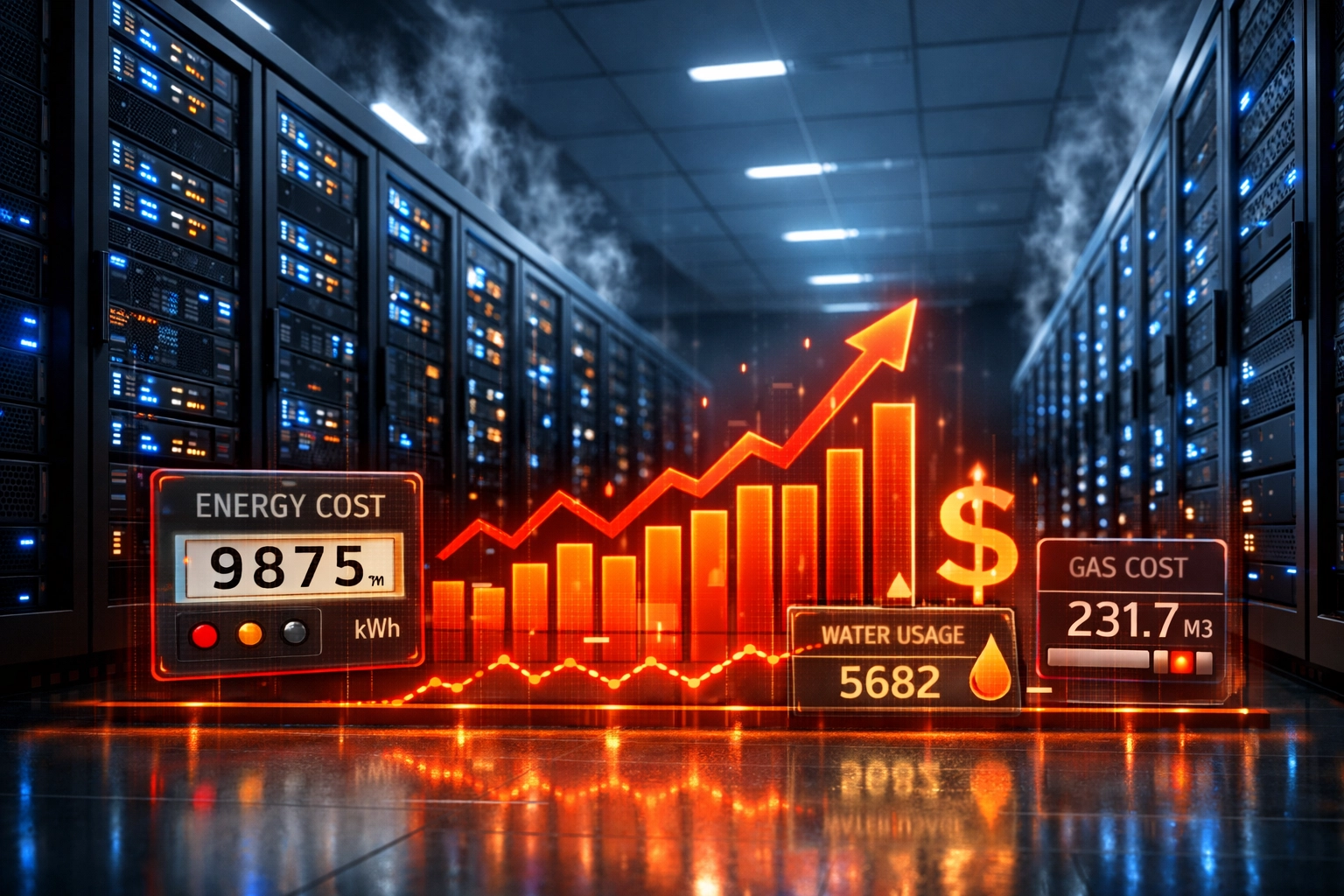
Then there's the replacement cycle. Servers typically need replacement every five years, which means you're not just buying new hardware: you're also paying for implementation, configuration, data migration, and disposal of old equipment. If you're operating an on-site data center, factor in building maintenance, space management, and higher insurance premiums for theft, fire, and business interruption coverage.
According to recent industry analysis, organizations consistently underestimate these infrastructure costs by 40-60% when calculating their ERP total cost of ownership.
The 15-30% Rule You Can't Ignore
Here's a number that should give every CFO pause: on-premise maintenance fees typically consume 15-30% of your initial software investment annually.
Do the math. That means you're essentially re-purchasing your entire ERP system every 3-7 years: just to keep it running. This doesn't include upgrades, new functionality, or expansion. This is simply the cost of maintaining what you already have.
These maintenance expenses cover regular updates, functionality testing, software patches (which often need to be applied during inconvenient times), backup management, and potential additional database licensing fees. Each patch, each update, each minor configuration change requires IT resources, testing time, and the risk of something breaking in production.
Cloud-based Tyler ERP deployments flip this model entirely. Updates deploy automatically, configurations happen in the background, and you pay a predictable monthly fee that covers everything. No surprises. No hidden maintenance contracts. No emergency weekend patch sessions.
Your IT Team Deserves Better
On-premise Tyler ERP systems place an extraordinary burden on IT employees. Instead of focusing on strategic initiatives that drive business value, your team spends countless hours manually configuring system parameters, maintaining compliance settings, updating tax tables, and managing regulatory configurations.

This is work that, in cloud environments, happens automatically. Every hour your IT team spends babysitting an on-premise ERP system is an hour they're not spending on digital transformation, cybersecurity improvements, or innovation projects that could differentiate your organization.
The opportunity cost here is staggering. High-performing IT professionals didn't sign up to be server janitors. They want to solve interesting problems, implement new technologies, and contribute to organizational success. When talented staff spend their days managing aging infrastructure, morale suffers: and so does retention.
Organizations leveraging managed IT services report that their internal teams can refocus on strategic priorities, improving both job satisfaction and organizational outcomes.
When Downtime Costs $9,000 Per Minute
Let's talk about the hidden cost that can turn catastrophic in an instant: system downtime.
Industry research shows that system downtime averages $5,600 to $9,000 per minute across sectors. For a four-hour outage: not uncommon when on-premise hardware fails: you're looking at potential losses exceeding $2 million.
On-premise deployments face elevated downtime risks from hardware failures, power outages, natural disasters, and human error. While you can invest in disaster recovery infrastructure, backup systems, and redundancy: these all represent additional costs that need to be factored into your TCO analysis.

Cloud-based Tyler ERP deployments include built-in redundancy, automated failover capabilities, and geographically distributed data centers that ensure business continuity. When you migrate to the cloud through experienced cloud migration services providers, you're essentially purchasing enterprise-grade availability that would cost millions to replicate on-premise.
The question isn't whether you can afford to migrate: it's whether you can afford not to.
The Scalability Straightjacket
On-premise Tyler ERP systems lock you into rigid capacity planning. Need to add users? You might need new servers. Want to implement a new module? That requires hardware upgrades, capacity testing, and potentially months of planning.
This inflexibility forces organizations into uncomfortable choices: either over-provision (buying more capacity than you need now, just in case you need it later) or under-provision (running the risk of performance problems when you grow).
Both options are expensive. Over-provisioning means paying for hardware, software licenses, and maintenance on capacity you're not using. Under-provisioning means eventual emergency upgrades, rushed implementations, and the performance problems that drive users crazy.
Many on-premise ERP vendors also require purchasing minimum module packages or functionality levels, forcing you to pay for features you'll never use. When business needs change: and they always do: you're stuck with expensive, complex upgrade processes.
Cloud-based Tyler ERP scales effortlessly. Need more users? Add them instantly. Business slowing down? Scale back without hardware disposal costs. This flexibility translates directly to cost savings and operational agility.
The Shadow IT Problem Nobody Talks About
Here's a cost that rarely appears on any budget report but impacts every organization with aging on-premise systems: shadow IT.
When your Tyler ERP can't adapt quickly to changing business needs, employees find workarounds. They purchase SaaS tools with corporate cards. They use consumer applications for business data. They build Excel spreadsheets that become mission-critical but completely unsupported.
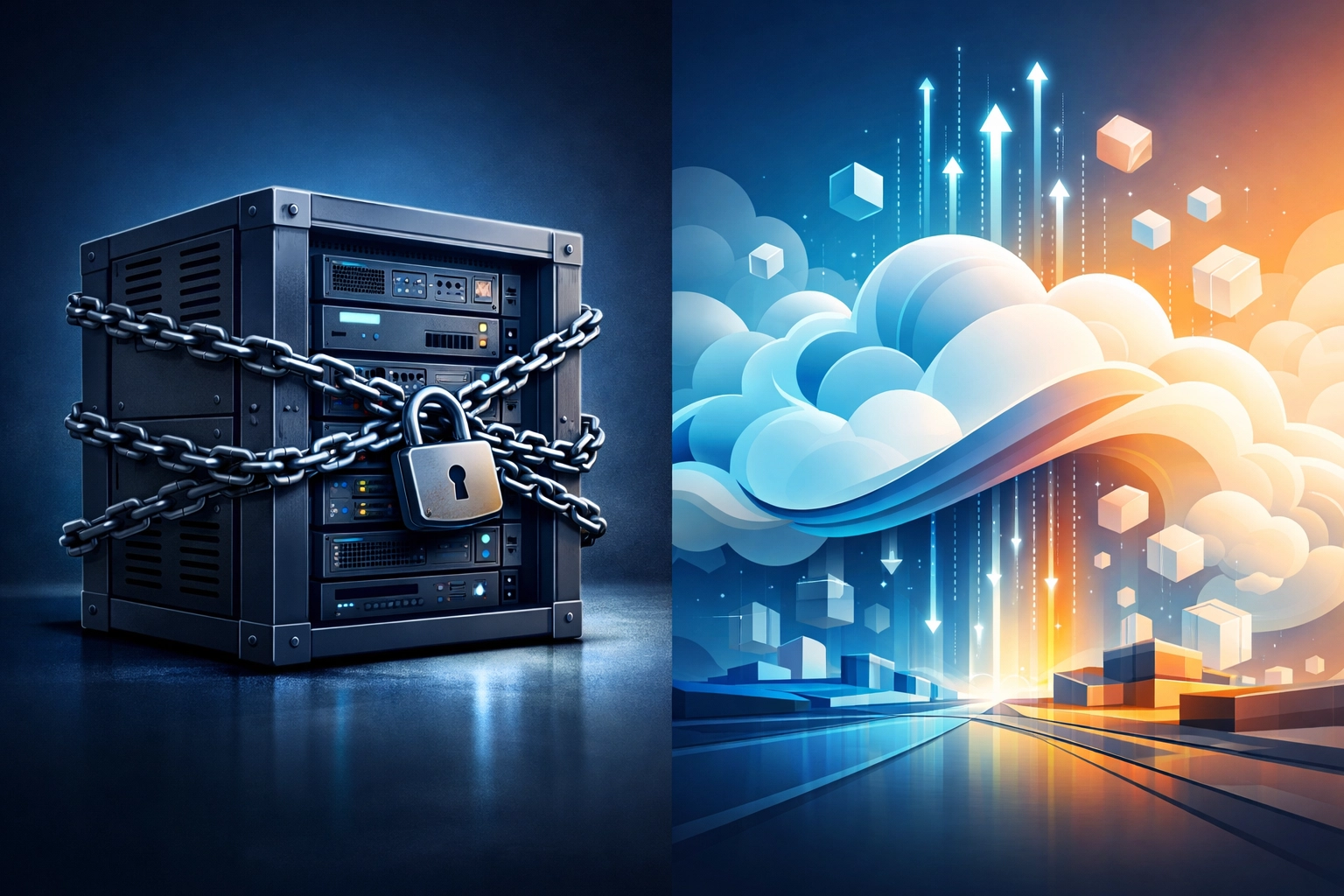
This shadow IT creates serious security vulnerabilities, compliance risks, and integration nightmares. You're not just paying for the official ERP system: you're also paying for dozens of unofficial tools that employees procured because the official system couldn't meet their needs.
According to Gartner research, shadow IT spending now represents 30-40% of total IT expenditure in many organizations. That's money being spent outside official channels, creating risk and redundancy.
Modern cloud ERP systems, supported by comprehensive IT managed services, provide the flexibility and features that reduce shadow IT adoption, centralizing control while improving user experience.
The Cloud Advantage: Real Numbers
So what does migration actually save?
Research consistently shows that cloud ERP systems reduce total cost of ownership by 30-50% over five years compared to on-premise deployments. That's not marketing hype: it's the result of eliminating hardware costs, reducing maintenance burdens, improving uptime, and enabling IT teams to focus on value creation rather than system maintenance.
Consider what a 40% TCO reduction means for an organization spending $1 million annually on ERP infrastructure and support. That's $400,000 per year redirected from maintenance to innovation. Over five years, that's $2 million in savings: or strategic investments in cybersecurity, business intelligence, or digital transformation initiatives.
Perhaps that's why 93% of businesses now select cloud-based ERP, primarily due to lower entry costs and superior total cost of ownership.
The Cost of Waiting
Every month you delay migration, you're paying those hidden costs. The maintenance fees. The hardware expenses. The IT staffing burden. The downtime risks. The lost opportunities.
The question isn't whether to migrate your Tyler ERP to the cloud: it's when. And with each passing quarter, the financial case becomes more compelling.
Organizations that partner with experienced managed IT services providers like ALINEDS benefit from structured migration approaches that minimize disruption while maximizing cost savings. The right partner handles the technical complexity, manages the security considerations, and ensures your team stays productive throughout the transition.
Your on-premise Tyler ERP served you well. But in 2026, it's time to acknowledge what it's really costing: and make the move that transforms that expense into strategic advantage.
The hidden costs of waiting are adding up. The question is: how much longer can you afford them?

